


Trade shows are a powerful mix of opportunity and competition. They give exhibitors the chance to showcase products, connect with industry professionals, and generate high-quality leads. However, without a clear strategy, the environment can quickly become overwhelming.
To succeed, you need more than just a booth—you need preparation, strong engagement, and consistent follow-up. With the right approach, you can turn a busy trade show floor into a steady source of business growth.
Here’s how to navigate the trade show experience with confidence and efficiency.
Preparation
Preparation is the foundation of a successful trade show. Before the event begins, it’s important to define clear goals. For example, you may focus on lead generation, brand awareness, or launching a new product.
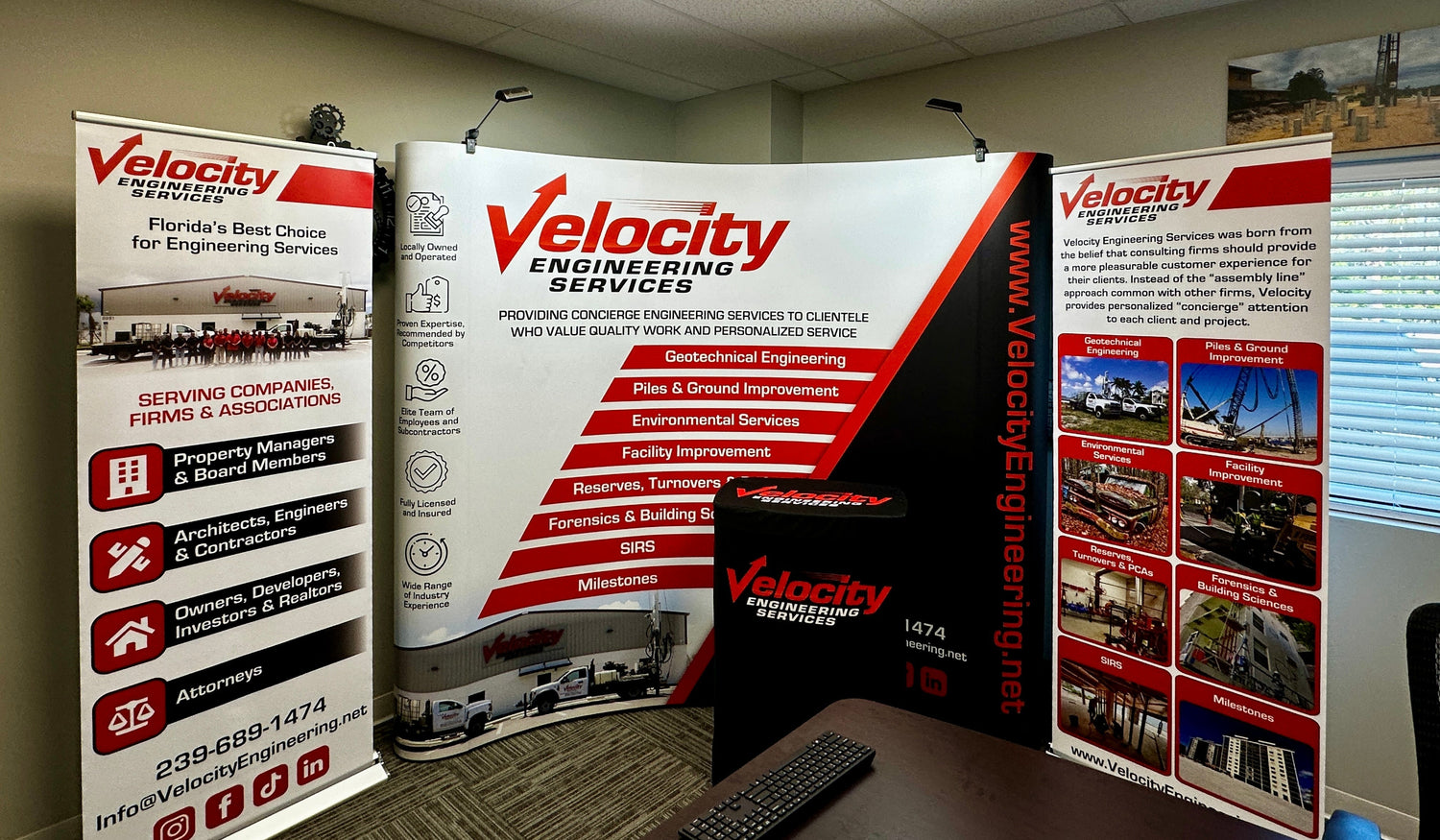
Once your goals are set, your trade show display becomes a critical part of your strategy. A well-designed booth helps attract attention and communicate your message quickly.
You can explore professional options like a full Trade Show Display or add flexibility with portable Banner Stands to enhance your booth presence.
In addition, make sure you prepare all supporting materials such as:
-
Business cards
-
Brochures
-
Promotional items
Finally, staff your booth with knowledgeable and energetic team members who can clearly communicate your value and engage attendees effectively.
Engagement
Engagement is what separates average booths from high-performing ones. Since trade show floors are crowded and competitive, you need to actively capture attention.
For this reason, interactive elements are extremely effective. Product demonstrations, live presentations, and giveaways can all help draw visitors into your space and keep them engaged longer.
To improve results, encourage your team to:
-
Approach attendees confidently
-
Ask open-ended questions
-
Listen to visitor needs
-
Clearly explain product benefits
Meanwhile, your booth environment should feel open, welcoming, and easy to navigate. A strong visual setup using a modern Trade Show Display can also help reinforce professionalism and brand trust.
Additionally, collecting contact information during conversations ensures you can continue building relationships after the event.
Follow-up
Follow-up is where trade show success is truly realized. Without it, even the best booth performance can lose impact.
As soon as the event ends, begin reaching out to your contacts. Whenever possible, reference specific conversations to make your communication more personal and meaningful.
Effective follow-up includes:
-
Personalized emails
-
Social media connections
-
Scheduled follow-up meetings
-
Targeted offers or next steps
At the same time, review your trade show performance. Compare your results to your original goals and identify what worked well and what needs improvement.
This process helps refine your strategy and improve results at future events.
Final Thoughts
Trade shows require a balance of planning, engagement, and follow-up. When all three are executed well, they create a powerful system for generating leads and growing your business.
Most importantly, your trade show display plays a central role in every stage—from attracting attention to supporting conversations and reinforcing your brand.
By investing in the right strategy and the right setup, you can turn every trade show into a meaningful opportunity for long-term success.


