


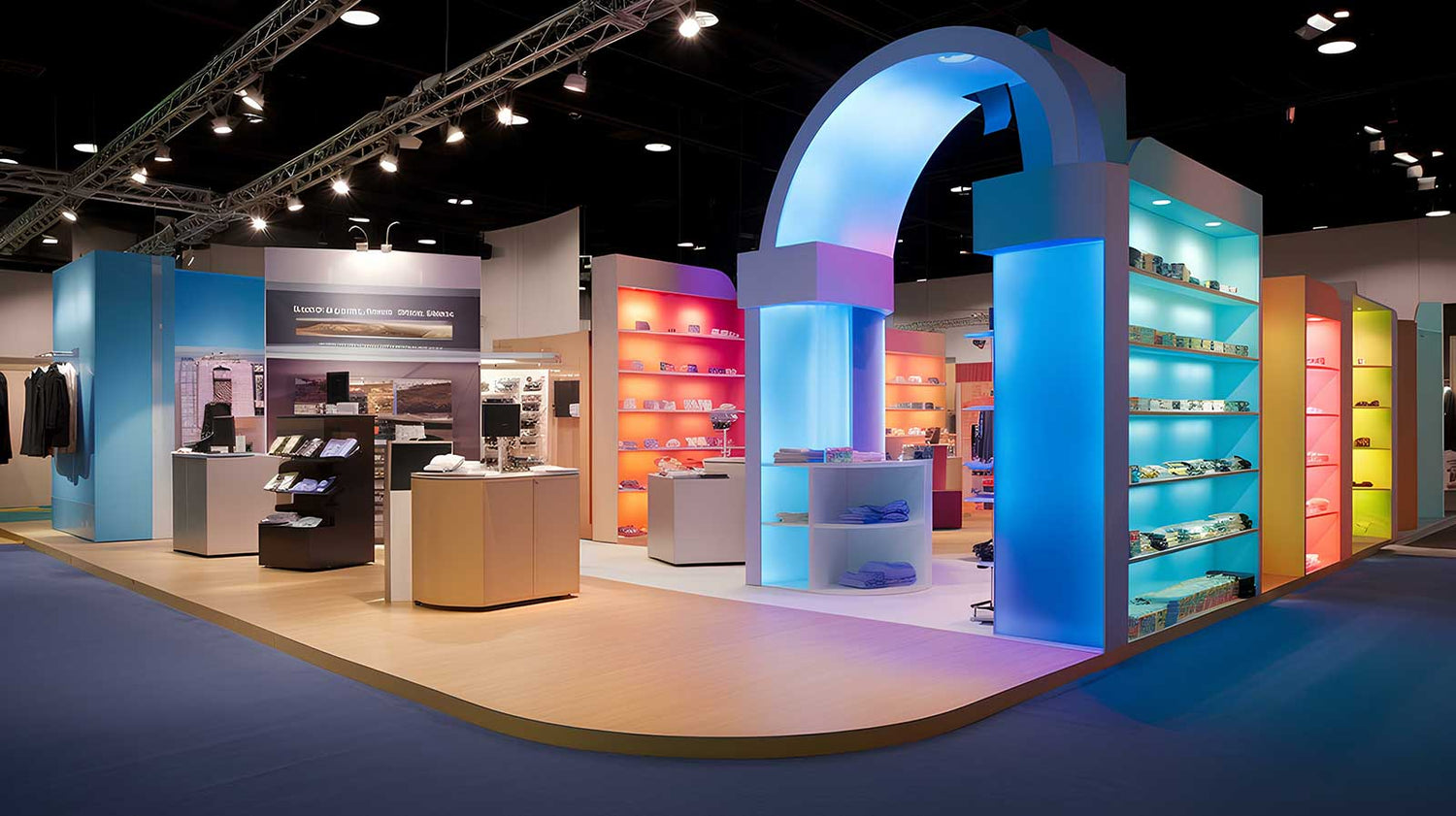
Trade shows offer a prime opportunity for businesses to showcase their products, services, and brand to a targeted audience. But behind every successful trade show exhibit lies careful planning, creative design, and meticulous execution.
In this quick guide, we’ll take you through the step-by-step process of bringing your trade show display from concept to reality.
Step 1: Define Your Objectives
Before diving into the design process, it’s important to clearly define your objectives for the trade show. Start by identifying what you want to achieve, as this will guide every decision you make during planning and setup.
Common trade show goals include:
- Generating new leads
- Increasing brand awareness
- Launching a new product or service
- Networking with industry professionals
- Strengthening relationships with existing clients
By clarifying your goals early, you can design a booth that stays focused, communicates the right message, and supports your overall business strategy.
Step 2: Research and Inspiration
Gather inspiration from various sources, including competitor exhibits, industry trends, and design blogs. Look for innovative ideas that align with your brand identity and objectives. Take note of booth layouts, lighting techniques, interactive elements, and any other features that capture your attention.
Step 3: Develop a Budget
Next, establish a budget early in the planning process to help guide your decisions and prevent overspending. By doing so, you can better control costs and prioritize what matters most. Consider key expenses such as booth space rental, design and construction, promotional materials, travel, and staff wages. In addition, make sure to allocate your funds strategically so you can maximize your return on investment.
Step 4: Design Your Booth
Collaborate with a professional designer or design team to bring your vision to life. Begin by creating a clear floor plan that improves space use and guides visitor traffic. In addition, make sure your booth design reflects your brand and supports your goals.
Key elements to include:
- A functional floor plan that supports smooth traffic flow
- Consistent branding (colors, logos, and messaging)
- Clear signage and visual hierarchy
- Interactive features like touchscreens or demos
- Product display areas or demonstration spaces
- Multimedia elements such as videos or digital presentations
By combining strong planning with consistent branding, you can create a booth that attracts attention and encourages engagement.
Step 5: Select Materials and Suppliers
Our comprehensive website, AffordableDisplays.com, allows you to browse all types of trade show displays such as banners, signage, furniture, flooring, and lighting. Consider factors like quality, durability, and eco-friendliness when making your selections.
Step 6: Build and Assemble
Once you’ve finalized the design and gathered all necessary materials, it’s time to bring your exhibit to life. Work closely with your suppliers and contractors to ensure everything is constructed according to your specifications and delivered on time. Test any interactive elements or technology to troubleshoot any issues before the event.
Step 7: Pre-Show Preparation
In the weeks leading up to the trade show, focus on promoting your presence and generating excitement among attendees. Send out targeted email campaigns, leverage social media platforms, and reach out to your network to invite them to visit your booth. Prepare your staff with training sessions to ensure they’re knowledgeable and engaging when interacting with visitors.
Step 8: Showtime!
As the trade show begins, it’s time to put all your planning and preparation into action. First, arrive early so you have enough time to set up your booth and make any final adjustments. Then, focus on creating a strong presence on the show floor and making meaningful connections.
During the event, make sure to:
- Arrive early and complete booth setup
- Test all displays, lighting, and technology
- Greet and engage with attendees proactively
- Demonstrate your products or services clearly
- Collect and organize leads for follow-up
- Network with other exhibitors and industry professionals
By staying active and engaged throughout the event, you can maximize your opportunities and get the most value from the trade show.
Step 9: Post-Show Evaluation
After the trade show concludes, take the time to evaluate your performance and gather feedback. Review your objectives and assess whether you achieved them. Analyze metrics such as lead generation, sales conversions, and return on investment. Identify areas for improvement and lessons learned to inform your strategy for future trade shows.
Final Thoughts
Building a successful trade show display requires careful planning, creativity, and attention to detail. By following this easy guide, you’ll be well-equipped to create an impactful exhibit that effectively showcases your brand and drives results.
With the right strategy and execution, your trade show display can be a powerful tool for achieving your business objectives and standing out in a crowded marketplace.
----
Image Credit: stock.adobe.com


