


Hybrid marketing events—where in-person and virtual experiences come together—are here to stay. Today, businesses are increasingly using these events to expand their reach, connect with broader audiences, and create more flexible experiences for attendees. As a result, hybrid events have become an essential part of modern event marketing strategies.
However, successfully managing a hybrid event requires more than simply livestreaming an in-person presentation. Brands must create meaningful experiences for both on-site attendees and virtual participants. In addition, each audience engages differently, making it important to develop a strategy that keeps everyone informed, involved, and connected throughout the event.
Ultimately, while hybrid events offer greater visibility and flexibility, they also demand a smarter and more intentional engagement approach to effectively connect with both audiences.
Here are a few key ways to engage attendees at your next hybrid event:
1. Design for Both Worlds
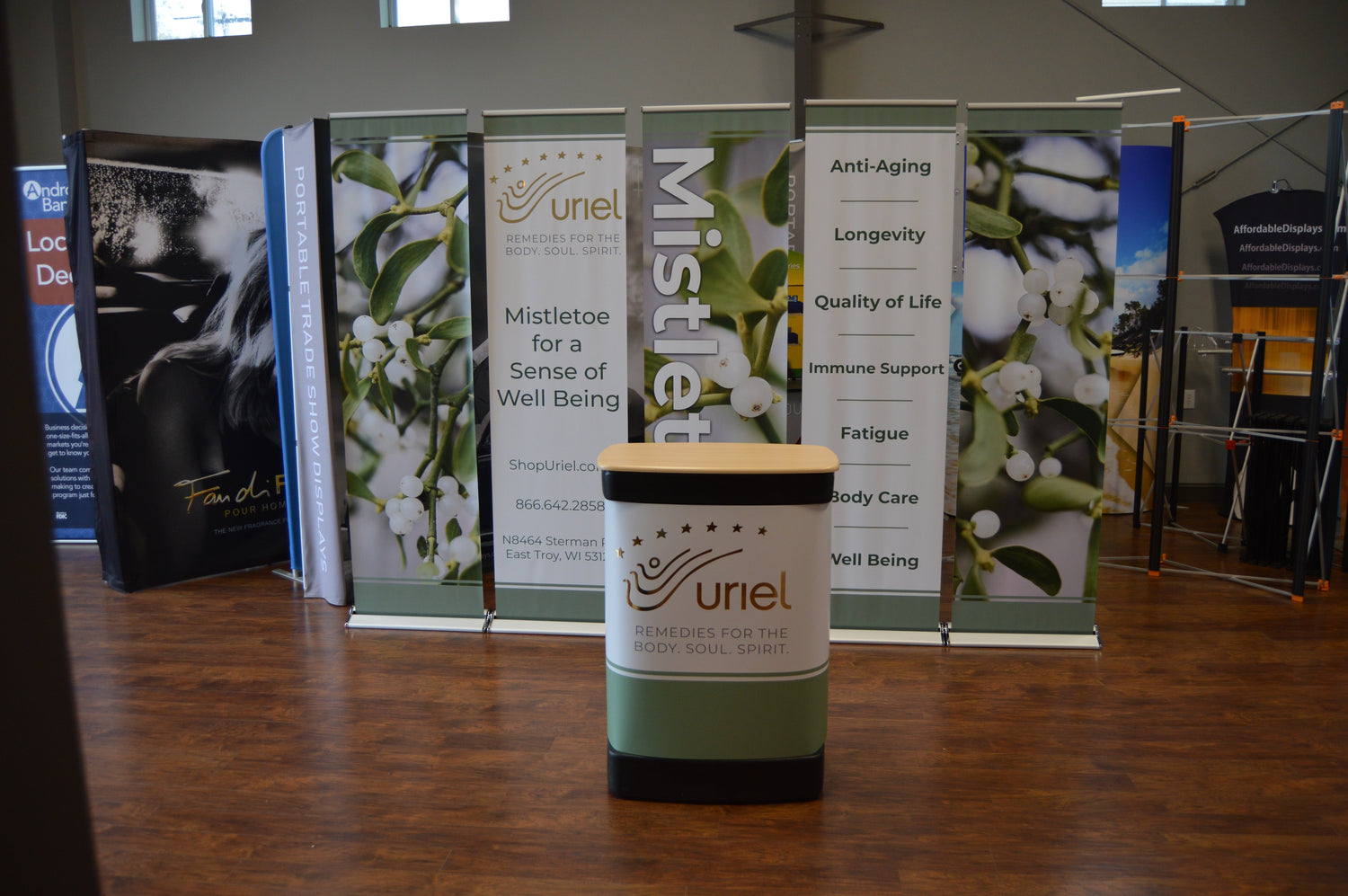
Make sure your booth or presentation setup looks professional both in person and on camera. Additionally, use clean visuals, strong lighting, and consistent branding to create a polished experience for all attendees. If you are presenting, meanwhile, consider how your slides, signage, and stage presence will appear to virtual viewers as well as those attending live.
Key design considerations include:
-
High-quality graphics and readable signage
-
Professional lighting for video clarity
-
Branded backdrops and marketing elements
-
Clear audio for livestreams and presentations
-
Camera-friendly booth layouts
-
Consistent colors, logos, and messaging
-
Presentation slides optimized for virtual viewing
2. Use Live Chat & Q&A Tools
Keep your virtual audience engaged by assigning a team member to monitor chat and respond to questions in real time. As a result,, this helps remote attendees feel included and creates a more interactive experience throughout the event.
Helpful engagement tools include:
-
Live chat moderation
-
Real-time Q&A sessions
-
Virtual networking rooms
-
Audience polling features
-
Event mobile apps
-
AI chat assistants or support tools
-
Scheduled virtual meet-and-greets
3. Offer Interactive Elements
Interactive experiences help energize both virtual and in-person audiences. Plus, by streaming polls, giveaways, games, and live demonstrations you'll encourage participation and increase attendee engagement.
Popular interactive features include:
-
QR code scavenger hunts
-
Digital prize wheels and giveaways
-
Live product demonstrations
-
Interactive touchscreens
-
Audience polls and trivia
-
Social media contests
-
Downloadable resources and coupons
4. Stream In-Booth Action
Turn your physical booth into a live content hub by streaming demos, interviews, presentations, or behind-the-scenes moments. Above all, this gives remote attendees a closer connection to the event while increasing your online visibility.
Content ideas for livestreaming include:
-
Product launches and demonstrations
-
Customer testimonials
-
Team interviews and expert discussions
-
Behind-the-scenes booth tours
-
Live audience reactions
-
Educational mini-sessions
-
Event highlights and recaps
5. Follow Up Differently
Customize your follow-up strategy based on how attendees participated. As a result, virtual and in-person audiences often respond best to different types of communication and offers.
Effective follow-up methods include:
-
Personalized thank-you emails
-
Webinar or demo invitations
-
Digital brochures and downloadable resources
-
Follow-up phone calls
-
Product samples mailed to qualified leads
-
Social media connections
-
Post-event surveys and feedback forms
6. Promote the Hybrid Experience Early
Additionally, start promoting your hybrid presence before the event begins. Let attendees know they can connect with your brand both online and in person.
Pre-event promotion ideas include:
-
Email marketing campaigns
-
Social media countdowns
-
Event landing pages
-
Speaker or demo announcements
-
Livestream schedules
-
Online registration incentives
-
Exclusive virtual content previews
7. Measure Engagement Across Both Audiences
Finally, track results from both virtual and in-person interactions to better understand what worked and where you can improve for future events.
Important metrics to monitor include:
-
Booth traffic and visitor counts
-
Livestream views and watch time
-
Chat participation and Q&A activity
-
Lead generation numbers
-
Social media engagement
-
Content downloads
-
Conversion rates and follow-up responses
Final Thought:
Engaging at a hybrid event is not simply about doing more—it is about doing things smarter and more strategically. Today, attendees expect seamless experiences whether they participate in person or online. Because of this, brands must focus on creating meaningful interactions that feel engaging and valuable for both audiences.
Additionally, successful hybrid events rely on thoughtful planning, strong communication, and the right technology to bridge the gap between physical and virtual participation. From live chats and interactive polls to livestreamed demonstrations and personalized follow-ups, every touchpoint should encourage connection and participation.
Most importantly, creating parallel experiences for both in-person and remote attendees helps ensure no audience feels secondary or overlooked. As a result, you can maximize engagement, expand your reach, and strengthen your overall event impact.
All in all, when you approach hybrid engagement strategically, you create more opportunities for meaningful interactions, stronger brand visibility, and lasting business relationships that make every connection count.


