


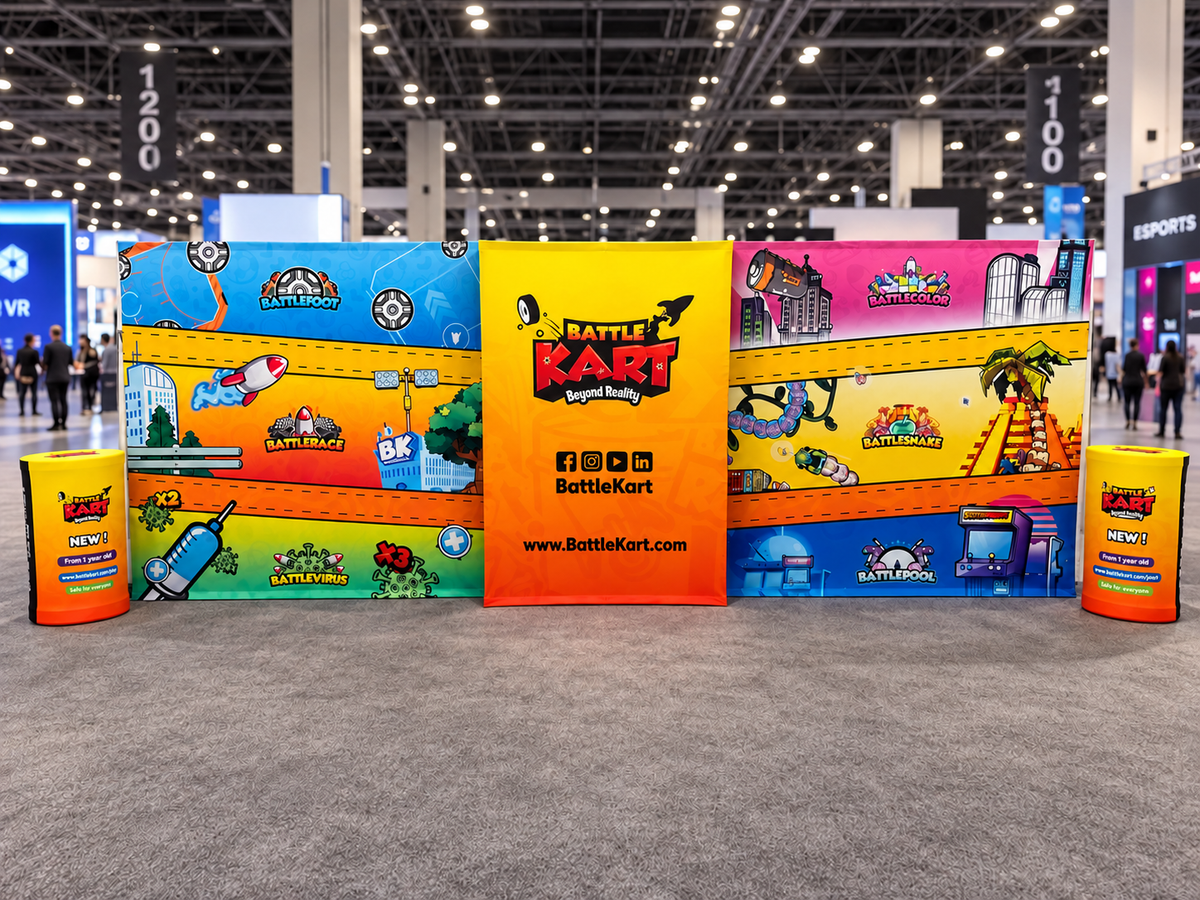
A practical trade show display budget includes the exhibit, graphics, transportation, and the services required to use the booth at each event. Start by identifying what you already own and which planned appearances that equipment can support.
November is a useful time to make those decisions before approving next year’s marketing purchases. A new display may be appropriate, but an equipment inventory can also reveal opportunities to keep a sound frame and update only the parts that need attention.
Start with the events you expect to attend
List each planned show, its booth dimensions, the activity you want to support, and how the display will travel. Separate confirmed bookings from possible events so tentative plans do not quietly become purchase requirements.
Look for the needs that repeat. If most events use a 10x10 space, prioritize a system that works well there. If one larger event requires a different arrangement, compare the cost of serving that event separately with the cost of changing your whole exhibit system.
Inspect existing equipment before replacing it
Set up the display and check the frame, connectors, feet, lighting, fabric, and cases. Record missing parts and any damage. Confirm that the display still meets your presentation needs and the requirements of upcoming shows.
A graphic refresh may make sense when the hardware is complete and serviceable but the branding, products, or messaging have changed. Replacement hardware deserves consideration when components are damaged, parts are unavailable, or the display cannot support the booth activity you need.
Before pricing new graphics, identify the exact frame and template. The cost comparison is only useful if the proposed graphic actually fits your equipment.
Request comparable quotes
Ask each quote to specify what is included: frame, printed graphics, feet, lighting, cases, and any counters or shelves. Include design work, proofing options, and delivery requirements where applicable.
Two packages with similar photos may contain different equipment. Comparing itemized contents helps you avoid treating an incomplete package as a lower-cost equivalent.
Our trade show displays offer a starting point for identifying options. Choose the configuration before comparing the final cost.
Separate purchase costs from event costs
Hardware and initial graphics are purchase costs. Outbound and return transportation, venue material handling, electrical service, installation labor, storage, and future graphic updates may create additional costs.
Not every event uses every service. Review the event manual and supplier quotes to identify what applies. Check ordering deadlines as well, because service pricing can depend on when orders are placed.
Keep these expenses visible even when different departments pay them. A display purchase and the cost of getting that display into an operating booth belong in the same planning conversation.
Calculate a planning cost per appearance
Divide the estimated display purchase and planned graphic spending by the number of appearances you realistically expect to use it for. Treat this as a planning comparison, separate from event expenses and sales results.
For example, a hypothetical $3,600 purchase used at six events represents $600 per appearance before transportation and event services. A hypothetical $2,400 purchase used at only two events represents $1,200 per appearance. These are illustrative figures, not AED prices or predictions of product life.
Use the calculation to question assumptions. A smaller purchase may be suitable for a limited schedule, while a more adaptable system may make sense if its supported configurations cover several confirmed events.
Set a reserve around known uncertainties
Identify expenses that remain unconfirmed, such as replacement parts, a second graphic set, or a venue service quote. Give those items their own allowance rather than hiding them inside the hardware budget.
Before placing an order, confirm the event date, artwork approval process, current production timing, and delivery destination. Budget approval is most useful when the purchase can arrive in time to be inspected and rehearsed.
Contact Affordable Exhibit Displays with your existing equipment details, planned booth sizes, and spending range. We can help compare a graphic refresh with a new display purchase so you can budget around the equipment you actually need.


